
GMC Sierra Manual Transmission: A Comprehensive Guide (Updated May 5, 2026)

This guide details GMC Sierra manual transmissions, covering history, identification, common issues, maintenance, performance upgrades, and parts sourcing for enthusiasts and owners.
The Sierra, initially a trim, evolved into a successful full-size truck, facing strong market competition throughout its production run.
The GMC Sierra’s availability with a manual transmission represents a unique facet of its history, appealing to drivers who prioritize control and engagement. While increasingly rare in modern trucks, the manual Sierra offers a distinct driving experience. Historically, these transmissions were a common option, particularly in work-oriented configurations, providing durability and a direct connection to the powertrain.
However, as consumer preferences shifted towards automatics, manual transmission options became limited. Today, finding a Sierra with a manual gearbox requires searching older model years or specific, often heavy-duty, trims. This guide aims to provide a comprehensive resource for owners and enthusiasts interested in understanding, maintaining, and potentially modifying these increasingly collectible trucks. The Sierra’s journey reflects broader industry trends.
Historical Overview of Manual Sierras
Before becoming a standalone model in 1988, the GMC Sierra name designated a trim level on existing GMC trucks, often available with manual transmissions. Early Sierras frequently featured standard column-shift manual gearboxes, favored for their simplicity and cost-effectiveness. Throughout the 1990s and early 2000s, floor-shift options became more prevalent, offering improved ergonomics and driver control.
As the truck market evolved, demand for automatic transmissions grew, leading GMC to gradually reduce manual transmission availability. The Sierra continued to offer manuals in heavy-duty models for a longer period, catering to those needing robust, driver-controlled gear selection. Today, these earlier manual Sierras are gaining recognition among enthusiasts valuing a raw, connected driving experience.
Why Choose a Manual Transmission Sierra?
Opting for a GMC Sierra with a manual transmission delivers a uniquely engaging driving experience, offering greater control over gear selection and engine braking. Manual Sierras often appeal to drivers seeking a more direct connection with their vehicle, fostering a sense of involvement absent in automatics. Furthermore, manual transmissions can potentially offer improved fuel economy, though modern automatics are closing the gap.
Reliability is another draw, as manual gearboxes generally have fewer complex components than automatics, potentially reducing long-term maintenance costs. For those who enjoy driving, a manual Sierra provides a rewarding and visceral experience, making it a standout choice.
Popular Manual Transmission Options

Throughout the GMC Sierra’s history, several manual transmissions have been offered, each with its strengths. The most commonly found is the robust NV3500 5-speed, known for its durability and simplicity, frequently paired with earlier Sierra models. For heavier-duty applications, particularly in 2500HD and 3500HD Sierras, the Getrag 284 6-speed manual provided increased torque capacity and smoother shifting.
These transmissions catered to different needs, from everyday driving to demanding work tasks. Availability varied by year and model, with later Sierras seeing a significant decline in manual transmission offerings.
The NV3500 5-Speed Manual
The NV3500, a New Venture Gear transmission, became a staple in many GMC Sierra trucks, particularly from the late 1990s through the mid-2000s. Renowned for its reliability and straightforward design, it’s a favorite among those seeking a durable, driver-connected experience. It’s typically found in 1500 series Sierras and offers a relatively simple repair process.
While not known for exceptionally quick shifts, the NV3500 provides solid performance and can handle moderate torque levels. Its widespread use means parts availability is generally good, making it a practical choice for owners.
The Getrag 284 6-Speed Manual (HD Models)
The Getrag 284, a more robust 6-speed manual transmission, was primarily offered in heavy-duty (HD) GMC Sierra 2500 and 3500 models. This transmission was designed to handle the increased torque output of diesel engines and larger gasoline V8s. It provides a wider gear ratio spread, enhancing both towing capability and fuel efficiency at highway speeds.
Compared to the NV3500, the Getrag 284 offers a more refined shifting experience and greater overall strength. However, due to its complexity, repairs can be more challenging and potentially costly. Parts availability, while decent, isn’t as abundant as the NV3500.
Identifying the Manual Transmission in a Sierra
Accurately identifying your GMC Sierra’s manual transmission is crucial for parts sourcing and repair information. Two primary methods exist: decoding the Vehicle Identification Number (VIN) and visual inspection of the transmission housing. The VIN, a unique 17-digit code, contains information about the original equipment, including the transmission type.
However, VIN decoding isn’t always straightforward and may require specialized tools or databases. Visual identification involves examining the transmission case for specific markings or casting numbers. These numbers can then be cross-referenced with manufacturer documentation to determine the exact transmission model.
Decoding Sierra VINs for Transmission Information
The GMC Sierra’s Vehicle Identification Number (VIN) holds valuable clues about its original transmission. While the entire VIN provides vehicle history, specific characters indicate factory-installed options, including the transmission type. However, directly interpreting these codes can be complex, often requiring specialized VIN decoding tools or online databases.
These resources translate the alphanumeric characters into understandable information. Keep in mind that VIN decoding reveals the original transmission; modifications made by previous owners won’t be reflected. Accurate decoding is vital for ensuring correct parts selection and repair procedures, avoiding compatibility issues.
Visual Identification of Transmission Housing

Visually identifying a Sierra’s manual transmission involves examining the transmission housing itself. The NV3500 5-speed typically features a more rounded case, often with a prominent casting number visible on the side. Conversely, the Getrag 284 6-speed (found in HD models) generally has a more angular and robust housing design, reflecting its increased torque capacity.
Look for distinguishing features like the input shaft access cover and the overall size and shape. Comparing these visual cues with known images of each transmission model can aid identification. Remember that aftermarket modifications or paint can obscure original features, making accurate assessment challenging.
Common GMC Sierra Manual Transmission Problems
GMC Sierra manual transmissions, while durable, aren’t immune to issues. Clutch problems are frequent, manifesting as slippage, difficulty engaging gears, or a spongy pedal feel. Synchro issues cause grinding during shifts, particularly into specific gears, indicating worn synchronizer rings. Shift linkage wear results in sloppy or imprecise shifting, often requiring adjustment or component replacement.
Internal wear, stemming from age and mileage, can also lead to gear noise or failure. Regular maintenance and prompt attention to early symptoms are crucial for preventing more extensive and costly repairs.
Clutch Issues: Symptoms and Solutions
Common symptoms of clutch problems in a GMC Sierra include slipping (engine revs without proportional speed increase), difficulty shifting, a spongy or low pedal, and unusual noises during clutch engagement. Solutions vary based on the issue. Slippage often indicates a worn clutch disc, requiring replacement.
A low pedal might signal a hydraulic issue or cable stretch, needing bleeding or adjustment. Grinding suggests a throw-out bearing problem. Complete clutch kit replacement – disc, pressure plate, and throw-out bearing – is often the most effective long-term fix. Proper break-in is vital post-replacement.
Synchro Problems: Recognizing and Repairing
Identifying synchronizer issues in a GMC Sierra manual transmission involves noticing difficulty engaging specific gears, often accompanied by grinding noises during shifts. This typically occurs when downshifting. Worn synchros fail to match gear speeds, causing the clash. Repairing synchro problems usually requires transmission disassembly.
Individual synchro rings can sometimes be replaced, but often, complete synchro assemblies are recommended. Thorough inspection of gears for damage is crucial during this process. Professional rebuilds are common, ensuring proper clearances and lubrication. Ignoring synchro issues can lead to further transmission damage.
Shift Linkage Wear and Adjustment
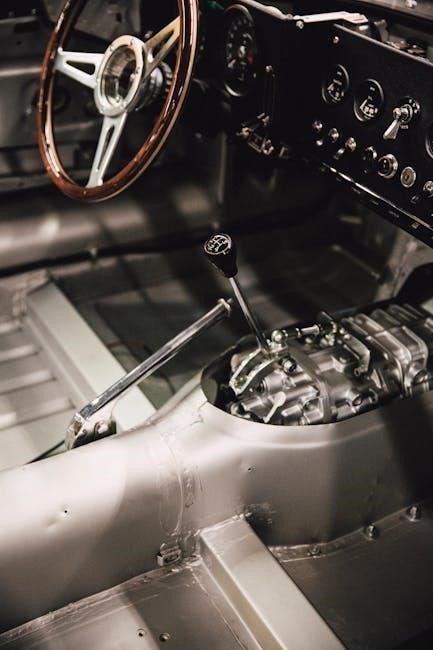
Over time, the shift linkage in a GMC Sierra manual transmission can develop wear, resulting in imprecise shifting or difficulty selecting gears. Symptoms include a loose or sloppy feel in the shifter, and potentially, gears popping out of alignment. Adjustment is often the first step, ensuring proper engagement.
Inspect the linkage for worn bushings and joints; these are common failure points. Replacement of worn components is crucial for restoring accurate shifting. Proper lubrication of the linkage also helps reduce friction and wear. If adjustments don’t resolve the issue, a more in-depth inspection of the linkage components is necessary.
Maintenance for GMC Sierra Manual Transmissions
Proactive maintenance is vital for the longevity of your GMC Sierra’s manual transmission. Regular fluid checks and changes – utilizing the correct gear oil – are paramount, typically every 30,000 to 60,000 miles, depending on usage. Inspect the clutch cable for fraying or damage, replacing it if necessary to maintain smooth engagement.
Don’t neglect shift linkage lubrication; this prevents stiffness and ensures precise gear selection. Regularly check for leaks around the transmission housing. Addressing minor issues promptly prevents costly repairs down the road, keeping your Sierra shifting smoothly for years to come.
Regular Fluid Checks and Changes (Gear Oil)
Maintaining proper gear oil levels and condition is crucial for a GMC Sierra manual transmission. Check the fluid every 30,000 miles, or more frequently with heavy use. Look for discoloration or a burnt smell, indicating potential issues.
Gear oil changes should occur every 30,000 to 60,000 miles, using the manufacturer’s recommended viscosity. Proper lubrication minimizes wear on gears and synchronizers. When changing, inspect the drain plug for metal shavings, a sign of internal damage. Always dispose of used oil responsibly, following local regulations.
Clutch Cable Inspection and Replacement
For GMC Sierra manual transmissions utilizing a clutch cable, regular inspection is vital. Check the cable for fraying, kinks, or excessive slack every 30,000 miles. A worn cable can lead to inconsistent clutch engagement or complete failure.
Replacement involves disconnecting the cable at both the pedal and transmission ends. Ensure proper routing during installation to avoid binding. Adjusting the cable is crucial for correct pedal feel and full clutch disengagement. A properly adjusted cable ensures smooth shifting and prevents premature wear on clutch components.
Shift Linkage Lubrication
Maintaining the GMC Sierra’s manual transmission shift linkage is often overlooked, yet crucial for smooth operation. Regular lubrication – every 12,000 miles or annually – prevents stiffness and imprecise shifting. Use a high-quality lithium-based grease specifically designed for automotive linkages.
Apply grease to all pivot points and bushings within the linkage system. This includes where the shift lever connects to the transmission and all joints along the connecting rods. Proper lubrication reduces wear, minimizes play, and ensures crisp, accurate gear selection, enhancing the driving experience.
Performance Modifications for Manual Sierra Transmissions
Enhancing a GMC Sierra’s manual transmission performance involves several key upgrades. Upgraded clutch kits are paramount for handling increased torque from engine modifications, preventing slippage and ensuring power transfer. Short throw shifters dramatically reduce throw length, enabling quicker, more precise gear changes, improving driving engagement.
For those seeking optimized gear ratios, performance gear sets can be installed, tailoring the transmission to specific driving styles or terrains. These modifications collectively transform the driving experience, maximizing the potential of your manual Sierra, and delivering a more responsive and enjoyable ride.
Upgraded Clutch Kits for Increased Torque Capacity
When modifying a GMC Sierra for increased power, the stock clutch often becomes a limiting factor. Upgraded clutch kits address this by utilizing stronger pressure plates, more robust clutch discs, and reinforced release bearings. These components work together to withstand significantly higher torque loads.
Options range from organic clutches for street performance to ceramic or metallic clutches designed for extreme duty and racing applications. Selecting the right kit depends on your specific modifications and intended use. A properly matched clutch ensures reliable power transfer and prevents premature wear, maximizing the benefits of engine upgrades.

Short Throw Shifters for Faster Gear Changes
For enthusiasts seeking a more engaging driving experience, short throw shifters are a popular upgrade for GMC Sierra manual transmissions. These shifters reduce the distance the lever travels between gears, resulting in quicker, more precise shifts. This translates to improved performance and a sportier feel.
Available in various designs – including weighted shift knobs and adjustable linkages – short throw shifters allow drivers to customize the shift feel to their preference. Installation is typically straightforward, though some kits may require minor modifications. The benefit is a noticeably more connected and responsive driving experience, enhancing control and enjoyment.
Performance Gear Sets for Optimized Ratios
While less common than clutch or shifter upgrades, performance gear sets offer a significant, albeit complex, path to optimizing a GMC Sierra manual transmission. These sets alter the final drive ratios, impacting acceleration, top speed, and overall drivability. Careful consideration of intended use is crucial – off-road builds benefit from lower (numerically higher) ratios for increased torque, while highway-focused trucks may prefer taller ratios.
Installation requires complete transmission disassembly and specialized knowledge. Matching the gear set to tire size and engine characteristics is vital for optimal results. This modification is best left to experienced professionals, ensuring proper setup and avoiding potential damage.
Finding Parts for GMC Sierra Manual Transmissions
Sourcing parts for older GMC Sierra manual transmissions can present challenges, but several avenues exist. Online retailers specializing in truck parts, like Summit Racing or RockAuto, often carry common wear items and rebuild kits. Local auto parts stores may stock basic components, while salvage yards offer potentially cost-effective options, though condition verification is essential.
For original or specific parts, GMC dealer parts departments remain a reliable source, albeit potentially more expensive. Online forums and communities dedicated to GMC trucks can also be invaluable for locating rare or discontinued parts from fellow enthusiasts.
Online Retailers Specializing in Truck Parts
Numerous online retailers cater specifically to truck enthusiasts needing GMC Sierra manual transmission parts. Summit Racing and RockAuto are prominent examples, offering extensive catalogs with detailed parts breakdowns and competitive pricing. These platforms frequently stock clutch kits, synchronizers, gear sets, and various seals and gaskets.
Advance Auto Parts and AutoZone also carry a selection, though their inventory may be more limited for older models. Always verify part compatibility using the vehicle’s VIN before ordering, and consider shipping costs when comparing prices across different retailers.
Local Auto Parts Stores and Salvage Yards
While online retailers offer convenience, local auto parts stores like NAPA and smaller, independent shops can provide immediate access to common GMC Sierra manual transmission components. They often stock clutch cables, gear oil, and basic repair parts. However, specialized items may require ordering.
Salvage yards (also known as junkyards) represent a cost-effective option for locating used transmissions, gears, or housings. Thorough inspection is crucial to assess the condition of salvaged parts before purchase. Be prepared to spend time searching and potentially disassembling components yourself.
GMC Dealer Parts Departments
GMC dealer parts departments offer the advantage of guaranteed genuine GMC parts for your Sierra’s manual transmission. This ensures compatibility and quality, though typically at a higher price point than aftermarket or used options. They can accurately identify the correct parts based on your truck’s VIN.
Dealers are particularly useful for sourcing rare or discontinued components, and they often maintain detailed parts diagrams. While potentially more expensive, using genuine GMC parts can preserve the vehicle’s originality and potentially extend the transmission’s lifespan. Expect expert assistance and warranty coverage.
DIY vs. Professional Repair
Deciding between DIY and professional repair for your GMC Sierra’s manual transmission hinges on your mechanical skill and available tools. Simple tasks like clutch cable replacement or shift linkage lubrication are often manageable for experienced DIYers. However, complex repairs – like synchronizer replacement or transmission rebuilds – demand specialized knowledge and equipment.
Professionals offer diagnostic expertise and warranty their work. A mechanic’s cost includes labor, parts, and potential shop fees. Carefully assess your abilities and the repair’s complexity before attempting a DIY fix; improper work can lead to further damage and higher costs.
Assessing Your Mechanical Skill Level
Honest self-assessment is crucial before tackling GMC Sierra manual transmission repairs. Have you successfully completed similar automotive projects? Are you comfortable using hand tools, torque wrenches, and diagnostic equipment? Can you accurately follow repair manuals and understand technical diagrams?
Experience with drivetrain components is particularly valuable. If you’ve previously replaced clutches, rebuilt differentials, or worked with gearboxes, you’re better prepared. If your mechanical experience is limited, start with simpler maintenance tasks before attempting complex transmission work. Don’t hesitate to seek guidance from experienced mechanics or online forums.
Cost Comparison: DIY vs. Mechanic
Evaluating the financial implications of DIY versus professional repair is essential. A DIY approach saves on labor costs, often the largest expense. However, factor in the cost of specialized tools, diagnostic equipment, and potential for mistakes requiring further repair.
Professional mechanics offer expertise and warranty their work, but hourly rates can be substantial. A simple clutch replacement might cost $800-$1500 at a shop, while DIY could be $300-$600 for parts. Complex transmission rebuilds significantly favor professional expertise due to specialized knowledge and equipment, despite higher overall costs.
GMC Sierra Manual Transmission Years & Specifics
Sierra manual transmission availability varied significantly by year. 1999-2006 models commonly featured the robust NV3500 5-speed, known for its durability. The 2007-2013 generation continued with the NV3500, but saw reduced manual transmission options overall.
From 2014-2023, manual Sierras became increasingly rare, largely limited to specific HD (heavy-duty) configurations, often equipped with the Getrag 284 6-speed. Identifying the exact transmission requires VIN decoding and visual inspection, as GMC offered different gear ratios within each transmission type depending on the truck’s intended use.
1999-2006 Sierra Manual Transmission Details
During this period, the GMC Sierra predominantly utilized the New Venture Gear NV3500 5-speed manual transmission. This gearbox proved remarkably reliable, becoming a staple for Sierra owners seeking a driver-focused experience. It was paired with various engine options, including the 4.3L V6 and 5.3L/6.0L V8s.
Common issues within this era included clutch wear, particularly with heavier use or towing. Shift linkage adjustments were occasionally needed to maintain precise gear selection. Overall, the NV3500 offered a straightforward and durable manual transmission solution for the Sierra platform.
2007-2013 Sierra Manual Transmission Details
The 2007-2013 GMC Sierra saw a shift towards reduced manual transmission availability, largely due to changing market demands. While still offered, it became increasingly rare, primarily found in base work truck configurations. The NV3500 5-speed continued as the standard option during these years, maintaining its reputation for robustness.
However, owners reported similar issues to the previous generation, including potential clutch wear and the need for occasional shift linkage adjustments. Finding replacement parts could become slightly more challenging as manual transmission models diminished in overall production volume.
2014-2023 Sierra Manual Transmission Availability (Limited)
From 2014 onward, the GMC Sierra’s manual transmission offerings became severely restricted. Demand for manual transmissions in full-size trucks plummeted, leading GMC to discontinue the option for most configurations. It was virtually nonexistent in higher trim levels, focusing solely on the most basic work truck models, if available at all.
This period marks a significant decline in manual Sierra production. Parts availability, while still present, began to dwindle, potentially increasing costs for repairs and maintenance. The NV3500 remained the sole offering during these limited years.
The Future of Manual Transmissions in the Sierra
The outlook for manual transmissions in the GMC Sierra appears bleak, mirroring industry-wide trends. Automakers are prioritizing automatic transmissions and advanced driver-assistance systems, diminishing the demand for manual options. New Sierra models are unlikely to offer a manual transmission in the foreseeable future.
However, a dedicated aftermarket community could sustain interest. Enthusiasts may continue modifying existing trucks and sourcing parts. Potential exists for specialized companies to offer updated manual transmission kits, ensuring the option remains viable for those who prefer a traditional driving experience, despite limited factory support.
Declining Availability and Market Trends
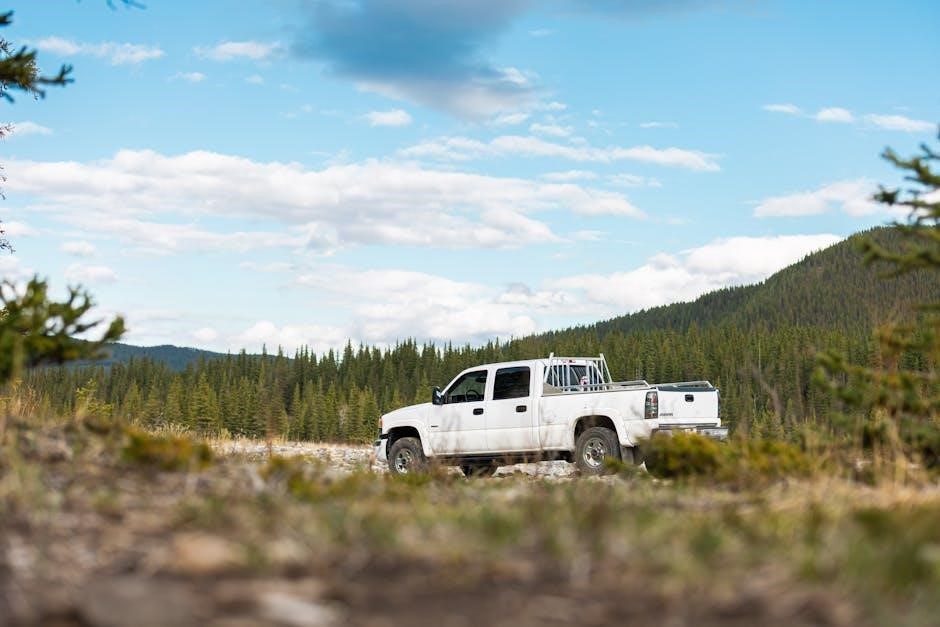
The availability of manual transmissions in the GMC Sierra has steadily decreased over the years. What was once a common option, particularly in earlier models, became increasingly rare, culminating in limited availability in recent years. This decline reflects broader market trends, with consumer preference shifting overwhelmingly towards automatic transmissions.
Factors driving this trend include the convenience of automatics, advancements in automatic transmission technology (like more gears and smoother shifting), and the increasing integration of driver-assistance features that work best with automatic systems. Consequently, manufacturers are reducing investment in manual transmission development and production.
Potential for Aftermarket Support and Revival
Despite the declining factory availability, a dedicated community of GMC Sierra enthusiasts maintains a strong interest in manual transmissions. This passion fuels a robust aftermarket for parts, upgrades, and even complete transmission conversions. Companies specializing in performance truck components continue to offer solutions for those seeking a manual driving experience.
The potential for a limited “revival” exists through these aftermarket channels, allowing owners to retrofit older manual transmissions or upgrade existing ones. While a return to factory-offered manuals seems unlikely, the aftermarket ensures that the option remains viable for those willing to invest in it, preserving a key aspect of the Sierra’s heritage.
Resources for GMC Sierra Manual Transmission Owners
Sierra owners committed to maintaining their manual transmissions have several valuable resources available. Online forums, dedicated to GMC trucks and specifically manual swaps or repairs, provide a platform for sharing knowledge, troubleshooting issues, and sourcing hard-to-find parts. These communities often feature detailed build threads and expert advice.
Furthermore, access to technical service manuals (TSMs) and detailed diagrams is crucial for accurate repairs and maintenance. These manuals, often available for purchase online or through GMC dealer parts departments, offer step-by-step instructions and specifications. Utilizing these resources empowers owners to confidently tackle repairs and preserve their Sierra’s manual driving experience.
Online Forums and Communities
Numerous online forums cater specifically to GMC Sierra enthusiasts, offering dedicated sections for manual transmission discussions. Websites like Sierra Forums and broader truck-centric platforms host threads covering everything from clutch replacements to transmission swaps. These communities are invaluable for diagnosing problems, finding solutions, and connecting with experienced owners.
Active members frequently share detailed repair logs, parts recommendations, and technical expertise. Facebook groups also provide a convenient space for quick questions and local parts sourcing. Engaging with these online communities fosters a collaborative environment, ensuring Sierra owners have access to a wealth of knowledge regarding their manual transmissions.
Technical Service Manuals and Diagrams
Accessing GMC Sierra technical service manuals (TSMs) is crucial for in-depth repair and maintenance. These manuals, often available for purchase online or through GMC dealer parts departments, provide detailed diagrams of the manual transmission components, torque specifications, and step-by-step repair procedures.
Haynes and Chilton manuals offer a more generalized approach, but may lack the specific detail found in the official TSMs. Online databases sometimes host scanned versions of these manuals, though legality should be verified. Detailed exploded views and wiring diagrams are essential for complex repairs, ensuring correct assembly and functionality of the Sierra’s manual transmission system.