
Skateboard Bushings: A Comprehensive Guide (Updated 03/06/2026)

Navigating the world of skateboarding requires understanding every component‚ and bushings are crucial for a personalized ride experience.
This guide delves into the specifics of skateboard bushings‚ covering materials‚ durometers‚ shapes‚ and how they impact performance.
What are Skateboard Bushings?
Skateboard bushings are small‚ often overlooked components nestled within your skateboard trucks‚ but they play a monumental role in steering responsiveness and overall ride feel. These cylindrical pieces‚ typically made of urethane or Delrin‚ sit around the truck’s kingpin and act as the primary cushioning system. They allow for turning and leaning by compressing and rebounding‚ effectively controlling the truck’s range of motion.
Essentially‚ bushings translate your body weight and movements into the turning action of the board. Without them‚ your skateboard would feel incredibly stiff and unresponsive. They are the interface between the deck‚ trucks‚ and wheels‚ absorbing shock and providing stability. Different durometers (hardness) and shapes of bushings dramatically alter how your board feels and performs‚ allowing for customization based on riding style‚ weight‚ and preference. Understanding bushings is key to unlocking a truly personalized skateboarding experience.
Why Bushings Matter: Impact on Ride
The impact of skateboard bushings on your ride is profound‚ influencing everything from turning radius to stability at speed. Softer bushings allow for easier turning and a more forgiving ride‚ ideal for cruising and carving. They compress more readily‚ absorbing bumps and providing a smoother experience. Conversely‚ harder bushings offer increased stability and responsiveness‚ favored by street and park skaters who demand precise control.
Bushings directly affect how much effort is required to initiate a turn and how quickly the board snaps back to center. Worn or incorrect bushings can lead to a “mushy” feeling‚ reduced control‚ and even potential instability. Properly selected bushings enhance your board’s responsiveness‚ allowing for tighter turns‚ more confident landings‚ and a more enjoyable overall skateboarding experience. They are a critical tuning element for optimizing performance.
Bushing Durometer: Understanding the Scale
Durometer is the measurement of a bushing’s hardness‚ crucial for tailoring your ride. It’s measured using the Shore A scale‚ ranging from 0A (softest) to 100A (hardest)‚ with skateboard bushings typically falling between 78A and 99A+. Lower numbers indicate softer bushings‚ offering more give and absorption‚ while higher numbers signify harder bushings‚ providing greater stability and responsiveness.
Understanding this scale is key to selecting the right bushings for your weight‚ skating style‚ and preferences. A lower durometer is more forgiving‚ ideal for beginners or those prioritizing comfort. Higher durometers demand more effort but deliver precise control. The choice isn’t absolute; mixing durometers can create a customized feel. Consider your truck setup and desired performance when choosing a durometer.
Durometer Explained: 78A ⸺ 99A+
Let’s break down the durometer range for skateboard bushings. 78A-85A bushings are incredibly soft‚ perfect for carving and cruising‚ offering maximum shock absorption and a relaxed feel. They’re ideal for lighter riders or those seeking a buttery smooth ride. 86A-90A provides a balance‚ suitable for all-around skating‚ offering some responsiveness with continued comfort.
Moving up‚ 91A-95A bushings are firmer‚ favored by park and street skaters needing more stability for tricks. They offer a quicker response and better control. Finally‚ 96A-99A+ are the hardest‚ designed for aggressive skating and heavier riders demanding maximum stability and minimal lean. Remember‚ these are guidelines; personal preference and weight play significant roles in finding your ideal durometer.
Bushing Shapes and Their Effects
Skateboard bushing shapes dramatically influence a board’s handling characteristics. Barrel bushings‚ the most common shape‚ provide excellent stability and lean resistance‚ making them ideal for riders prioritizing control and predictability. They offer a consistent feel throughout the turn. Cone bushings‚ conversely‚ enhance turning responsiveness‚ allowing for quicker and sharper carves.
They’re favored by those who enjoy loose‚ playful skating. Elliptical bushings represent a hybrid approach‚ combining the stability of barrels with the responsiveness of cones. They offer a unique feel‚ providing a balance between control and maneuverability. Mixing shapes – for example‚ a barrel on top and a cone on the bottom – allows for customized performance‚ tailoring the ride to individual preferences and skating styles.
Barrel Bushings: Stability and Lean Resistance
Barrel bushings are the workhorses of the skateboard bushing world‚ renowned for their stability and resistance to leaning. Their cylindrical shape provides a consistent‚ predictable feel throughout a turn‚ making them a popular choice for a wide range of skateboarding disciplines. This shape maximizes contact with the board’s hanger‚ resulting in a firmer‚ more controlled ride.
Skateboarders seeking a stable platform‚ particularly at higher speeds‚ often gravitate towards barrel bushings. They excel at minimizing wobble and providing a solid base for tricks and maneuvers. While they may not offer the same level of responsiveness as cone bushings‚ their reliability and predictability make them a cornerstone of many skateboard setups. They are a great starting point for those new to bushing customization.
Cone Bushings: Increased Turning Responsiveness
Cone bushings‚ characterized by their conical shape‚ are designed to maximize turning responsiveness and allow for deeper‚ more fluid carves. Unlike barrel bushings‚ cones offer less initial resistance‚ enabling quicker lean initiation and tighter turns. This makes them a favorite among skateboarders who prioritize agility and maneuverability‚ particularly in park and street skating.
The tapered design of cone bushings concentrates pressure towards the top‚ resulting in a more progressive lean. This means the resistance increases gradually as you lean further into a turn‚ providing a dynamic and engaging feel. However‚ this increased responsiveness can come at the cost of stability‚ especially at higher speeds. They are often paired with barrel bushings for a balanced setup.
Elliptical Bushings: A Hybrid Approach
Elliptical bushings represent a compelling middle ground between the stability of barrel bushings and the responsiveness of cone bushings. Their unique‚ oval shape provides a blend of lean resistance and turning capability‚ making them a versatile choice for various skateboarding styles. They offer a more progressive lean than barrels‚ but with greater stability than cones‚ particularly during high-speed maneuvers.
The elliptical design allows for a more controlled and predictable carving experience. They excel in situations where a balance of stability and maneuverability is desired‚ such as transition skating or cruising. Often used as a top bushing paired with a barrel on the bottom‚ they offer a refined feel. They are a good option for skaters seeking a more nuanced and adaptable bushing setup.
Top Bushing vs. Bottom Bushing: Differences
Understanding the distinct roles of top and bottom bushings is fundamental to optimizing skateboard performance. The top bushing‚ positioned closer to the board‚ primarily controls lean and stability‚ resisting initial turning movements; It generally requires a slightly harder durometer to withstand compression and maintain control.
Conversely‚ the bottom bushing‚ situated nearer the wheel‚ influences rebound and turning responsiveness. It often utilizes a softer durometer to facilitate smoother initiation of turns and a more dynamic feel. This difference in durometer creates a progressive lean‚ allowing for controlled carving. Many skaters experiment with different combinations to fine-tune their setup‚ often pairing a harder top bushing with a softer bottom bushing for optimal performance.
Bushings and Truck Size: Finding the Right Fit
Selecting the correct bushing size is intrinsically linked to your skateboard truck’s width. Using improperly sized bushings can severely compromise performance and safety. Generally‚ narrower trucks (7.5” – 8.0”) require smaller bushings‚ typically in the 90A-95A durometer range‚ while wider trucks (8.25” and above) benefit from larger bushings offering increased stability.
A common guideline suggests matching bushing size to truck axle width; for example‚ 8.0” trucks often pair well with medium bushings. It’s crucial to consult bushing manufacturer charts‚ as sizing can vary between brands. Ill-fitting bushings can cause binding‚ reduced turning radius‚ or an unstable ride. Prioritizing a proper fit ensures optimal control and responsiveness‚ enhancing your overall skateboarding experience.
Common Bushing Materials
Skateboard bushings are primarily constructed from two materials: urethane and Delrin. Urethane remains the industry standard due to its versatile properties‚ offering a balance of responsiveness‚ durability‚ and shock absorption. Different urethane formulas yield varying levels of hardness (durometer) and rebound characteristics‚ catering to diverse riding styles and preferences.
Delrin‚ a high-density polymer‚ presents a distinct alternative. Known for its exceptional durability and precision‚ Delrin bushings minimize friction and provide a smoother‚ more consistent feel. While generally more expensive than urethane‚ Delrin is favored by riders seeking enhanced control and longevity. Some skaters even combine urethane and Delrin bushings for a hybrid performance profile‚ leveraging the strengths of both materials.
Urethane Bushings: The Standard
Urethane bushings dominate the skateboard market‚ representing the go-to choice for the vast majority of riders. Their widespread popularity stems from a compelling combination of performance characteristics and affordability. Urethane offers excellent shock absorption‚ effectively dampening vibrations and providing a smoother ride‚ particularly on rough surfaces.
The versatility of urethane lies in its tunable durometer range. From softer formulas for enhanced carving and stability to harder compounds for increased responsiveness and precision‚ urethane bushings accommodate a broad spectrum of skateboarding styles. Furthermore‚ urethane exhibits good rebound properties‚ contributing to lively turning and energetic pop. The material’s inherent resilience ensures reasonable durability‚ making it a practical and reliable option for skaters of all levels.
Delrin Bushings: Durability and Precision
Delrin‚ a high-density polyethylene‚ presents a compelling alternative to traditional urethane bushings‚ prized for its exceptional durability and precision. Unlike urethane‚ Delrin is remarkably resistant to compression set – the permanent deformation that occurs over time with repeated stress. This translates to a significantly longer lifespan‚ reducing the frequency of bushing replacements.
Delrin’s inherent rigidity provides a more direct and responsive feel‚ enhancing precision and control. While it doesn’t offer the same level of shock absorption as urethane‚ Delrin excels in maintaining consistent performance‚ even under demanding conditions. Skaters seeking a crisp‚ predictable ride often gravitate towards Delrin bushings. They are particularly favored in setups where minimal bushing compression is desired‚ offering a tighter‚ more locked-in sensation.
Popular Bushing Brands
The skateboard bushing market boasts several reputable brands‚ each offering unique characteristics and catering to diverse skating preferences. Independent Bushings have long been a trusted name‚ renowned for their consistent quality and durability‚ often considered a standard for many skaters. Their bushings provide a reliable‚ predictable feel‚ suitable for various disciplines.
Bones Wheels Bushings focus on performance-oriented designs‚ utilizing high-rebound formulas to enhance responsiveness and energy return. These are favored by skaters seeking a lively and dynamic ride. Krux Bushings stand out for their lightweight construction‚ appealing to skaters prioritizing agility and reduced weight. They offer a smooth‚ fluid feel‚ ideal for technical maneuvers. Exploring these brands allows skaters to fine-tune their setups and discover the bushings that best complement their style.
Independent Bushings: A Trusted Name
Independent Truck Company has cultivated a legendary reputation within skateboarding‚ and their bushings consistently reflect this legacy of quality and performance. For decades‚ Independent bushings have been a staple for skaters of all levels‚ prized for their reliability and predictable behavior. They are crafted from a high-rebound urethane formula‚ ensuring durability and a responsive feel.
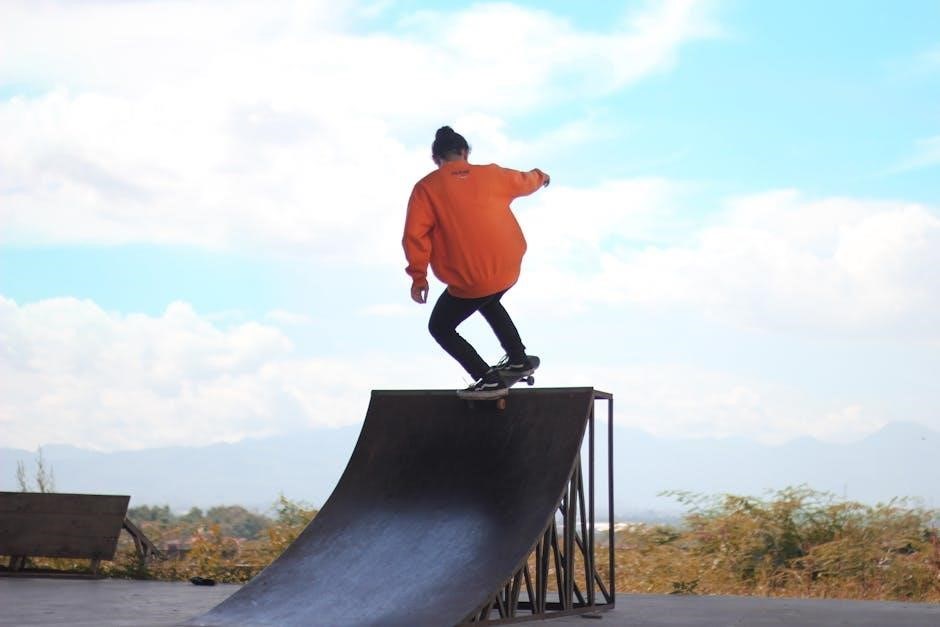
Independent bushings are known for providing excellent stability and control‚ making them a versatile choice for various skating styles. Many skaters appreciate their consistent performance‚ allowing for precise turning and confident landings. Available in a wide range of durometers‚ Independent bushings cater to individual preferences and riding styles‚ solidifying their position as a trusted and respected brand within the skateboarding community.
Bones Wheels Bushings: Performance Focused
Bones Wheels‚ renowned for their high-performance skateboard wheels‚ extends that commitment to quality with their line of bushings. Designed with the modern skater in mind‚ Bones bushings prioritize responsiveness and precision‚ enhancing overall board feel and control. They utilize a proprietary urethane formula engineered for optimal rebound and durability‚ ensuring a long-lasting and consistent ride.
Bones bushings are particularly favored by skaters seeking a more dynamic and energetic feel. Their design aims to minimize friction and maximize energy transfer‚ resulting in quicker turns and improved pop. Available in various shapes and durometers‚ Bones bushings allow skaters to fine-tune their setup for specific preferences and skating disciplines‚ cementing their reputation as a performance-driven choice.
Krux Bushings: Lightweight Options
Krux Trucks are celebrated for their lightweight design‚ and their bushings continue this trend‚ offering skaters a responsive and agile feel. Krux bushings are engineered to complement the trucks’ inherent maneuverability‚ making them a popular choice for technical street skating and dynamic park riding. They focus on reducing overall weight without sacrificing durability or performance.

These bushings are often favored by skaters who prioritize quick reactions and effortless board control. Krux utilizes a specialized urethane blend designed to provide a smooth‚ consistent rebound‚ enhancing turning precision and minimizing unwanted vibrations. Available in a range of durometers‚ Krux bushings allow skaters to customize their setup for optimal responsiveness‚ making them a go-to option for those seeking a lightweight and agile ride.
Replacing Skateboard Bushings: A Step-by-Step Guide
Replacing skateboard bushings is a straightforward process that can dramatically improve your board’s performance. First‚ you’ll need a skate tool or a socket wrench. Loosen the kingpin nut on your truck. Use the skate tool to carefully pry out the old bushings – a bushing remover tool can be helpful here.
Next‚ clean the bushing seats thoroughly to remove any dirt or debris. Insert the new bushings‚ ensuring they are seated correctly. Place the washers back onto the kingpin‚ and then tighten the kingpin nut. Don’t overtighten; you want some play for turning. Test the board and adjust the nut until you achieve your desired tightness. Regular bushing replacement maintains optimal responsiveness and control.
Tools Needed for Bushing Replacement
Successfully replacing your skateboard bushings requires only a few essential tools‚ making it a convenient DIY task. A skate tool is the most versatile option‚ combining wrench sizes for kingpins‚ axle nuts‚ and hardware; Alternatively‚ a socket wrench set with the appropriate size socket (typically 1/2 inch or 9/16 inch) will work.
A bushing remover tool‚ while not essential‚ significantly simplifies the process of prying out old bushings. Pliers can be used as a substitute‚ but exercise caution to avoid damaging the trucks. Finally‚ having some lubricant‚ like silicone grease‚ can help with smoother bushing installation and prevent binding. These simple tools empower you to customize your ride!
Diagnosing Worn Bushings: Signs to Look For
Identifying worn skateboard bushings is crucial for maintaining optimal performance and safety. Several telltale signs indicate it’s time for a replacement. Excessive wobbling or instability at higher speeds is a primary indicator‚ suggesting reduced bushing responsiveness. Cracked or flattened bushings are visually apparent signs of wear and tear‚ compromising their ability to absorb shock.
Difficulty turning or a “mushy” feeling can also point to worn bushings‚ as they lose their elasticity. Increased noise – rattling or clunking sounds – from your trucks may also stem from deteriorated bushings. Regularly inspecting your bushings and addressing these symptoms ensures a smooth‚ controlled‚ and enjoyable skateboarding experience. Don’t ignore these warning signs!
Adjusting Bushing Tightness: Fine-Tuning Your Ride
Precisely adjusting bushing tightness is key to customizing your skateboard’s feel and responsiveness. Looser bushings facilitate easier turning and greater maneuverability‚ ideal for park skating and carving. However‚ excessively loose bushings can lead to instability at higher speeds. Tighter bushings enhance stability and reduce wobble‚ favored by street skaters and those prioritizing control.
Start with a moderate tightness and incrementally adjust until you find the sweet spot. Use your skate tool to tighten or loosen the kingpin nut‚ affecting the compression on the bushings. Small adjustments make a significant difference; experiment to discover what suits your style and preferences. Remember‚ finding the right balance is a personal journey!
Bushings for Different Skateboarding Styles
Selecting the right bushings hinges on your preferred skateboarding discipline. Street skaters generally benefit from firmer bushings (90A-95A+) to withstand impacts from tricks and maintain stability during ollies and grinds. Park skaters often prefer a medium durometer (85A-90A) offering a balance between responsiveness for carving and stability for transitions.
Cruising and longboarding demand softer bushings (78A-85A) for a smoother‚ more comfortable ride‚ absorbing vibrations and enhancing carving ability. Experimentation is crucial; consider mixing bushing durometers for a customized feel. A softer top bushing can improve turn initiation‚ while a firmer bottom bushing enhances stability. Ultimately‚ the ideal bushing setup is a matter of personal preference and riding style.
Street Skateboarding: Bushing Recommendations

For street skateboarding‚ durability and responsiveness are paramount. We recommend bushings in the 90A to 95A+ durometer range. This firmness provides the necessary stability for absorbing impacts from jumps‚ grinds‚ and landings‚ crucial for navigating urban obstacles; Barrel bushings are a solid choice for their predictable lean and resistance‚ aiding in consistent trick execution.
Consider conical bushings for the board side to enhance turning responsiveness‚ allowing for quicker adjustments during maneuvers. Independent bushings are a popular choice among street skaters due to their renowned durability and consistent performance. Experimenting with slightly harder bushings can further refine control‚ but prioritize a setup that minimizes wobble and maximizes stability during high-impact landings. Remember‚ personal preference plays a key role!
Park Skateboarding: Bushing Recommendations
Park skateboarding demands a blend of stability for transitions and responsiveness for tricks. A durometer range of 88A to 92A is generally recommended‚ offering a balance between control and maneuverability. Elliptical bushings are excellent for park skating‚ providing a progressive lean that’s forgiving yet supportive during carves and aerials.
Bones Wheels bushings are a favored choice among park skaters‚ known for their consistent rebound and predictable feel. Utilizing a slightly softer durometer on the board side (e.g.‚ 88A) and a firmer durometer on the street side (e.g.‚ 90A) can optimize turning and stability; Experiment with different shapes to find what best suits your style and the specific features of the skatepark. Prioritize a setup that allows for smooth transitions and precise control.
Cruising/Longboarding: Bushing Recommendations
For a smooth and comfortable cruising or longboarding experience‚ prioritize stability and lean. Softer bushings‚ within the 78A to 85A durometer range‚ are ideal for absorbing bumps and maintaining control at higher speeds. Barrel bushings are highly recommended due to their inherent stability and resistance to lean‚ making them perfect for long distances and relaxed rides.
Urethane bushings are the standard choice for cruising‚ offering a good balance of durability and performance. Consider using larger bushings to increase stability‚ especially on longer boards. Independent bushings are a reliable option‚ known for their quality and consistent performance. Experiment with different combinations to fine-tune the ride to your preference‚ focusing on a setup that minimizes wobble and maximizes comfort during extended cruising sessions.
Advanced Bushing Techniques: Mixing and Matching

Once you grasp the basics‚ explore advanced bushing techniques for a truly customized ride. Mixing and matching bushing shapes and durometers allows for precise control over your skateboard’s responsiveness. A common approach is pairing a softer cone bushing on the board side for easier turning with a harder barrel bushing on the street side for increased stability.
Experimenting with different combinations is key. For example‚ using a 78A cone and an 87A barrel can provide a balance between carving ability and high-speed stability. Delrin bushings can be incorporated for enhanced durability and precision‚ particularly on the street side. Remember to adjust bushing tightness accordingly to achieve the desired feel. This technique requires patience and experimentation‚ but the results can dramatically improve your skateboarding experience.
Washers and Their Role in Bushing Performance

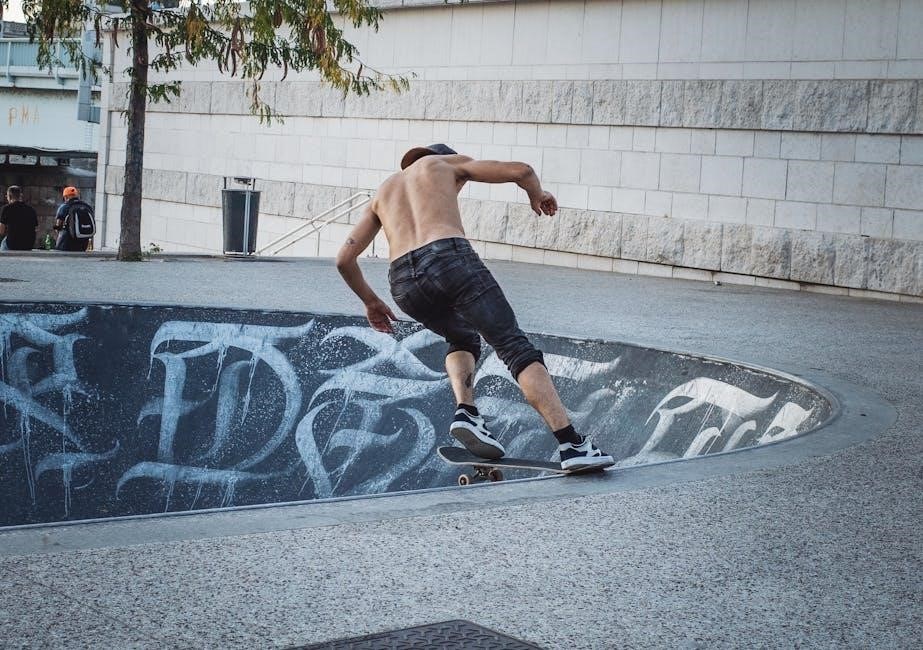
Washers are often overlooked‚ but they play a vital role in optimizing bushing performance and skateboard handling. These small components distribute pressure evenly across the bushings‚ preventing premature wear and ensuring consistent rebound. Different washer configurations can subtly alter your board’s feel.
Speed rings‚ placed between the truck and the hanger‚ reduce friction for smoother turning. Cupped washers create a more secure fit and can enhance responsiveness‚ while flat washers offer a more traditional feel. Using a combination of cupped and flat washers can fine-tune your setup. Always ensure washers are properly seated to avoid unwanted play or binding. Properly installed washers contribute significantly to a precise and enjoyable skateboarding experience.
Troubleshooting Common Bushing Issues
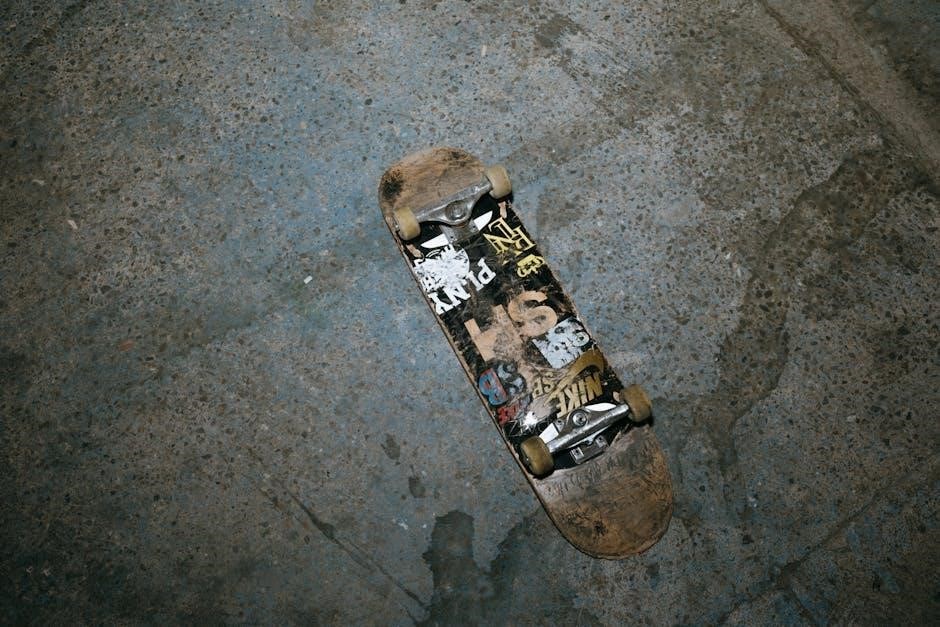
Even with proper installation‚ bushing issues can arise. A common problem is squeaking‚ often caused by friction between the bushing and the truck. A small amount of lubricant‚ like silicone grease‚ can resolve this. Cracked or deformed bushings indicate wear and necessitate replacement. Wobbly trucks suggest bushings are too soft or worn‚ requiring a durometer upgrade or fresh bushings.
Binding‚ where the trucks don’t turn freely‚ can stem from overtightened bushings or improper washer placement. Uneven wear might signal an imbalance in riding style or truck alignment. Regularly inspect your bushings for signs of damage and adjust tightness as needed. Addressing these issues promptly ensures optimal performance and extends the lifespan of your skateboard components.
Where to Buy Skateboard Bushings
Skateboard bushings are readily available from numerous sources‚ both online and in brick-and-mortar stores. Major online retailers like Amazon and eBay offer a vast selection‚ often at competitive prices. Specialized skateboarding shops‚ such as Tactics‚ Zumiez‚ and Skate Warehouse‚ provide expert advice and a curated range of brands like Independent‚ Bones‚ and Krux.
Local skate shops are invaluable resources‚ offering personalized recommendations and supporting the skateboarding community. Checking directly with brand websites is also an option. Comparing prices and considering shipping costs is crucial. Ensure the retailer stocks a variety of durometers and shapes to find the perfect fit for your riding style and truck setup;